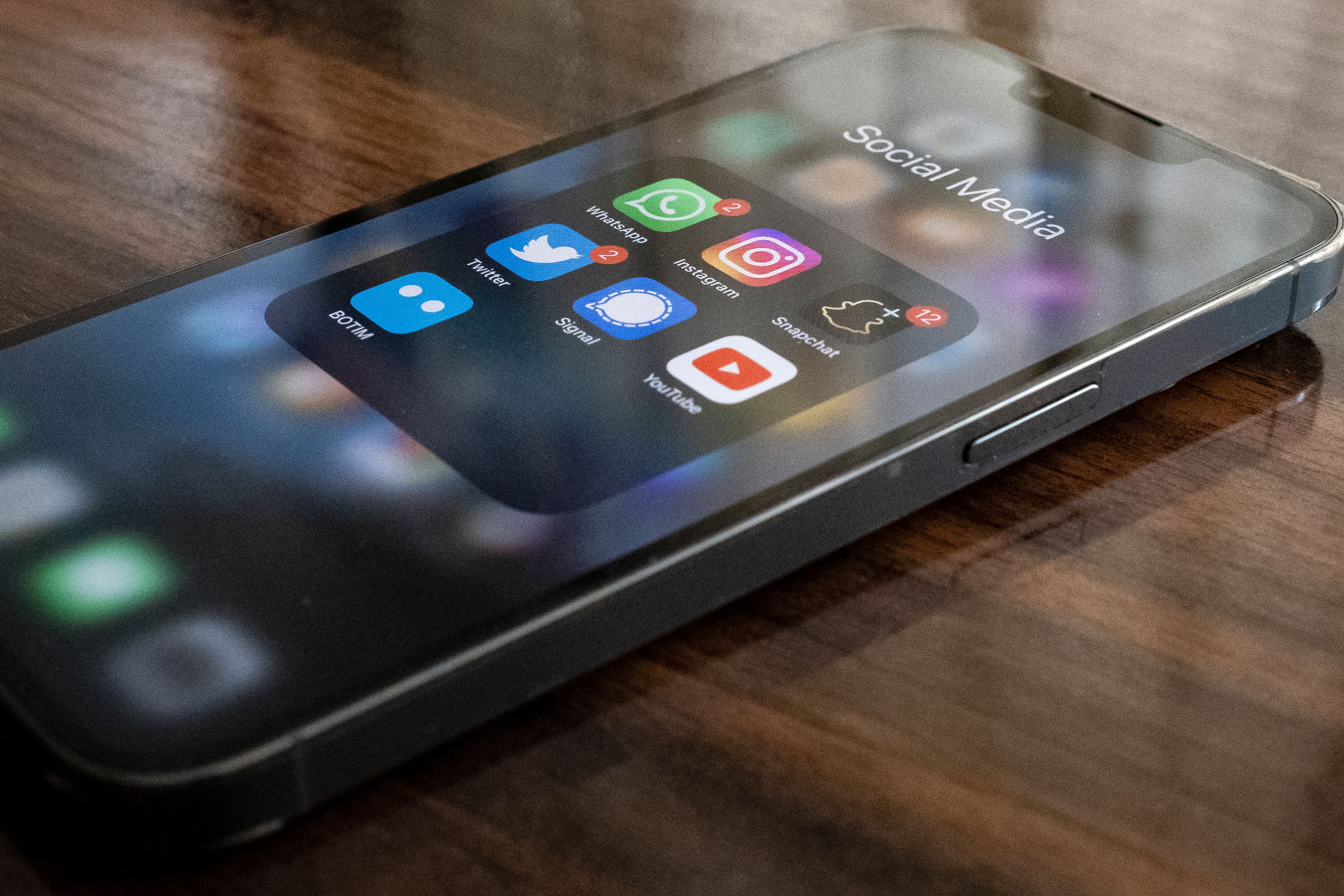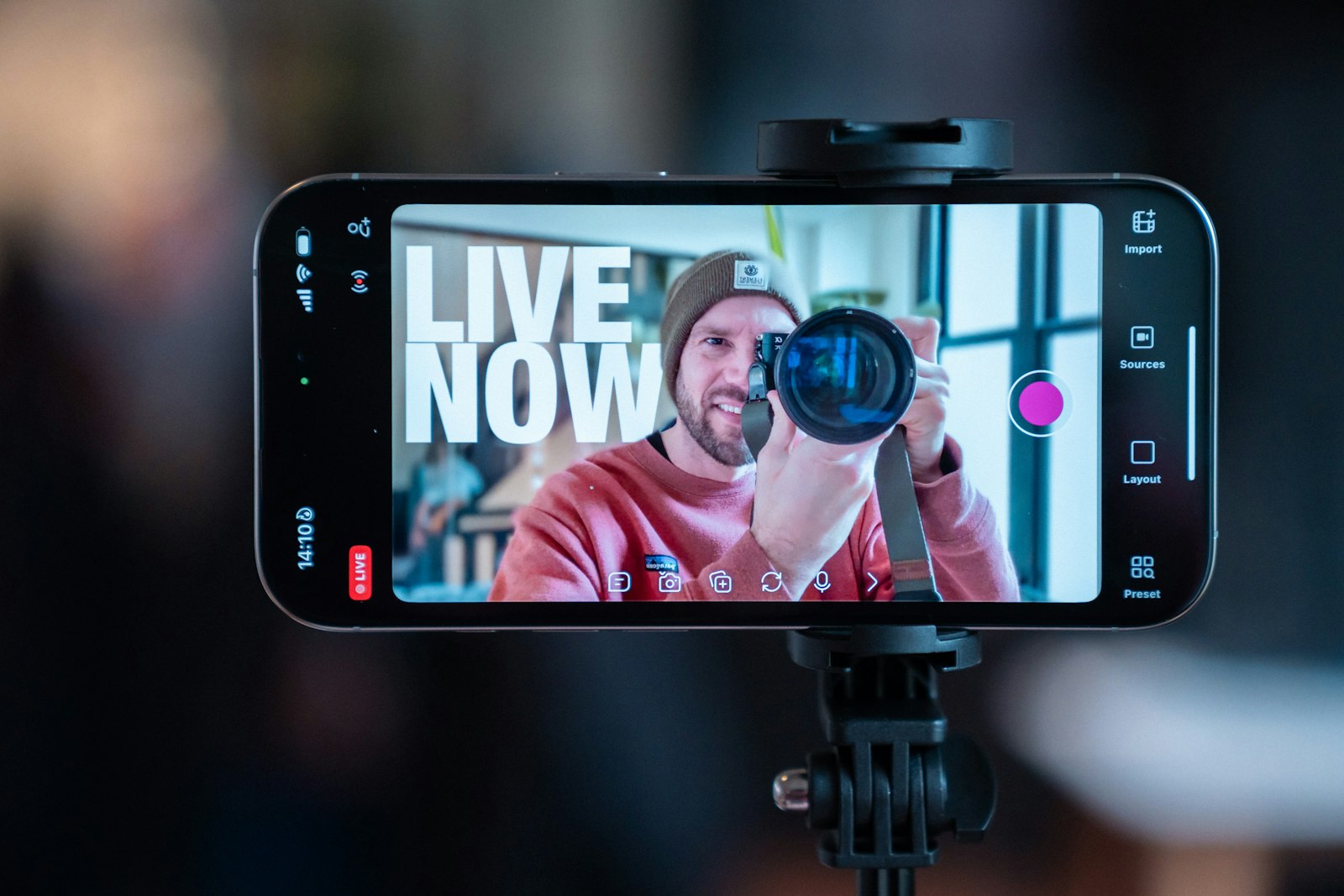
AI UGC is user-generated-style content, usually short selfie-style videos or casual photos, created with artificial intelligence instead of being filmed by a real customer or creator. The format keeps the handheld, "shot on a phone" look that makes UGC convert, but swaps the human on camera for an AI avatar, a synthetic voice, or an AI-generated image.
The term blew up because brands love what UGC does (it feels like a recommendation from a real person) and hate what it costs (creator fees, shipping products, waiting weeks for footage). AI UGC promises the look of UGC at the speed and price of software.
This guide explains how AI UGC actually works, where it performs, where it backfires, and the disclosure rules you need to know before you publish any of it.
What does AI UGC mean exactly?
UGC stands for user-generated content: posts, photos, reviews, and videos made by real customers or by freelance UGC creators hired to imitate that style. AI UGC takes the same formats and generates them with AI tools.
In practice, AI UGC usually means one of three things:
- AI avatar videos. A realistic AI presenter speaks your script to camera, with lip sync and natural gestures. This is the most common form, used heavily for TikTok and Meta ads.
- AI-generated photos. Product shots, lifestyle scenes, or "customer photo" style images created from a prompt instead of a photoshoot.
- AI-assisted creator content. A real human on camera, with AI handling the script, hooks, captions, and editing. Many marketers include this hybrid in the definition, and it carries far less risk than fully synthetic content.
The key distinction: AI UGC imitates the style of user content. It is not actually generated by users, which is exactly why trust and disclosure questions follow it everywhere.
How AI UGC works
Most AI UGC tools follow the same four-step workflow:
- Write the script. You draft a hook, a problem, and a product payoff, or have an AI assistant draft it for you. Short scripts (20 to 40 seconds) perform best.
- Pick an avatar or style. You choose an AI presenter that matches your audience, or a visual style for generated images.
- Generate. The tool renders the video or image in minutes: synced lips, a synthetic voice, selfie-style framing.
- Iterate. Because each variation costs minutes instead of days, teams generate many versions with different hooks and test which one earns attention.
That last step is the real draw. The economics of testing change completely when a new creative variation is nearly free.
AI UGC vs. traditional UGC vs. AIGC
These three terms get mixed up constantly. Here is the difference:
| Traditional UGC | AI UGC | AIGC |
|---|---|---|---|
Made by | Real customers or hired creators | AI imitating the UGC style | AI, in any style |
Feels like | A real person's post | A real person's post (that's the point) | Obviously produced or synthetic content |
Strengths | Trust, authenticity, social proof | Speed, cost, unlimited variations | Speed, creative range |
Weaknesses | Cost, slow, hard to scale | Trust risk, platform AI labels, disclosure rules | No human feel |
Typical cost | Commonly cited at $100 to $2,000+ per creator video | A software subscription | A software subscription |
AIGC (AI-generated content) is the umbrella term for anything AI makes. AI UGC is the specific slice of AIGC that is dressed up to look like a person's own post.
Where AI UGC works well
AI UGC earns its keep in a few specific jobs:
- Paid ad testing. Running ten hook variations to find the one that stops the scroll, then investing real budget (and possibly a real creator) in the winner.
- Faceless and camera-shy brands. Small businesses that have no one willing to be on camera can still produce presenter-style video.
- Product and lifestyle imagery. AI-generated images give small teams on-brand visuals without a studio. If you go this route, check the licensing first; our guide to using AI-generated images commercially covers what you can and cannot safely do.
- Localization. Remaking one winning video in several languages or regional variations without reshooting.
The honest downsides
AI UGC has real problems, and pretending otherwise is how brands get burned.
Platforms label AI content
Instagram, Facebook, and TikTok detect and label realistic AI-generated media, and they penalize undisclosed synthetic content when they catch it. If your "customer testimonial" gets an AI label stamped on it, the authenticity play collapses. We wrote about how these labels work in our post on Instagram's AI info label, and the short version is: you should disclose AI content yourself rather than get caught.
Fake testimonials are illegal, not just tacky
In the United States, the FTC's 2024 rule on fake reviews explicitly covers AI-generated testimonials. An AI avatar presented as a real, satisfied customer is a fake testimonial. Framing matters: "here's what our product does" delivered by an obvious presenter is advertising; "I bought this and it changed my life" delivered by a synthetic person pretending to be a buyer is deception.
Audiences are getting better at spotting it
The uncanny edges of AI avatars (slightly wrong blinks, too-smooth skin, flat affect) are shrinking but not gone. When viewers do clock it, the reaction is usually worse than if you had run a plainly branded ad, because the content was trying to pass as something it is not.
It cannot replace real social proof
AI UGC can imitate the format of a customer post. It cannot generate actual customers who love your product. Brands that lean entirely on synthetic content tend to plateau, because the real engine of UGC (people voluntarily vouching for you) was never there.
How to use AI UGC without losing trust
A workable playbook looks like this:
- Use AI for ads, humans for advocacy. Synthetic presenters are fine for clearly promotional content. Testimonials, reviews, and "real results" content should come from real people, full stop.
- Disclose. Label AI content where platforms ask you to, and assume the audience will find out either way.
- Keep a human approval step. Nothing synthetic should go live without someone checking it against your brand and the rules above. A planning and approvals workflow where every draft passes through a human before scheduling makes this automatic instead of optional.
- Feed the AI your brand, not the other way around. Generic AI output looks generic. Tools that learn your brand's look, like Nimply's AI Content Studio for on-brand image generation, produce content that fits your feed instead of fighting it.
- Test with AI, scale with winners. Treat AI UGC as a cheap laboratory. When a concept wins, consider producing the human version.
Where a tool like Nimply fits
To be upfront: Nimply does not generate AI avatar videos. If you specifically want synthetic presenter ads, you will need a dedicated avatar tool for that piece.
What Nimply does is the system around your content. The AI Assistant drafts hooks, captions, and per-platform rewrites (the scripts that AI UGC lives or dies on). The AI Content Studio generates on-brand images. AI agents draft posts for you on a schedule, and every draft waits for human approval before anything is published, which bakes the trust safeguards above into the workflow. From there, scheduling auto-publishes across Instagram, Facebook, X, LinkedIn, TikTok, YouTube, and Pinterest.
Flat pricing starts free, with paid plans from $8/month and no per-channel fees, so the approval-first workflow is not locked behind an enterprise tier.
FAQ
What is the 30% rule for AI?
The 30% rule is a rule of thumb for human-AI collaboration: let AI handle roughly 70% of the heavy lifting (drafts, variations, repetitive production) while humans contribute the final 30%, meaning judgment, brand voice, fact-checking, and final edits. Applied to AI UGC, it means AI generates, but a person reviews and approves before anything is published.
Why is AI allowed in advertising?
There is no blanket ban on AI in advertising. Regulators like the FTC care about deception, not the production method: an ad made with AI is fine, while a fake AI "customer" testimonial is not. Platforms add their own layer, with Meta and TikTok requiring realistic synthetic media to be disclosed, and applying AI labels when they detect it.
How much does an AI ad cost?
Hiring a human UGC creator commonly costs anywhere from around $100 to $2,000+ per video depending on experience and usage rights. AI UGC tools replace that per-video fee with a software subscription, typically ranging from about $20 to a few hundred dollars per month depending on volume and avatar quality, which is why teams use them for high-volume ad testing.